When it comes to EDI (Electronic Data Interchange), the EDI 830 document, also known as Planning Schedule with Release Capability EDI 830 Transaction Set, plays an important role. For manufacturers, suppliers, and their trading partners, this document helps optimize production planning and inventory management. Let’s understand what this document is, why it is important, and how it works in real-world scenarios.
What is EDI 830?
In simple terms, EDI 830 is a forecast document. It allows buyers to communicate their production schedules and demand forecasts to suppliers. These forecasts can help suppliers plan their production and ensure that products are available when needed. Unlike a purchase order, the EDI 830 doesn’t guarantee a purchase. Instead, it’s a planning tool that gives a clear picture of expected demand.
EDI 830 for Buyers
A buyer is typically the entity that forecasts demand and initiates communication via an EDI 830 document. Buyers can be:
Manufacturers: Companies that produce finished goods often act as buyers. For example, an automobile manufacturer might use EDI 830 to forecast the quantity of automobile parts it will need from suppliers for future production.
Retailers: Large retailers, such as department stores or grocery chains, send EDI 830 documents to their suppliers to communicate forecasted demand for products based on expected sales.
Wholesalers or Distributors: These businesses often purchase products in bulk for resale. They may forecast demand for items they will need from suppliers to replenish their inventory.
EDI 830 and Suppliers
A supplier is the entity that receives an EDI 830 document and uses the forecasted data to prepare inventory, plan production, and allocate resources. Suppliers may include:
Component or raw material suppliers: In manufacturing industries, these suppliers provide raw materials or components used in production. For example, a steel supplier supplies materials to an automobile manufacturer.
Finished goods manufacturers: In retail or distribution, suppliers may be manufacturers of finished goods that buyers sell to consumers. For example, a food company supplies packaged goods to a grocery chain.
Logistics service providers: Sometimes the supplier role extends to third-party logistics providers who manage inventory storage or shipping based on the EDI 830 schedule.

How Does EDI 830 Work?
The process begins when a buyer sends an EDI 830 document to a supplier. This document contains detailed information such as:
- Projected quantities: How much of each product the buyer expects to need.
- Release dates: When the buyer expects to receive the goods.
- Time periods: Weekly, monthly, or another specified time period.
- Delivery additional information: Shipping preferences.
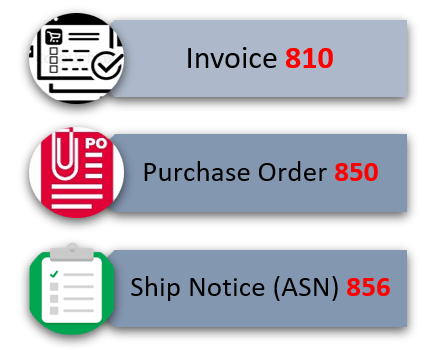
Suppliers receive this information and use it to plan production schedules, manage inventory, and allocate resources. Often, the 830 works in tandem with other EDI documents such as EDI 850 (Purchase Order) or EDI 862 (Shipping Schedule).
What is the difference between EDI 830 and 862? EDI 830 vs EDI 862
The key difference between EDI 830 (Planning Schedule with Release Capability) and EDI 862 (Shipping Schedule or Shipping Schedule with Release Capability) is their purpose, timing, and level of detail. Here’s a side-by-side comparison:
| Feature | EDI 830 | EDI 862 |
| Purpose | Long-term planning and forecasting | Short-term shipping and delivery details |
| Timing | Regular intervals (weekly, monthly) | Near shipment or delivery date |
| Detail | Broad forecasts and release capability | Specific shipping instructions |
| Common Industries | Automotive, manufacturing, retail | Automotive, just-in-time manufacturing |
If your business needs to implement or integrate EDI 830 or EDI 862, EDI2XML can help streamline the process, ensuring seamless communication with your trading partners and minimizing delays.
Is EDI 830 only for the automotive industry?
No. While the automotive industry relies heavily on EDI 830, it is also used in other sectors, including retail and manufacturing. Any business that needs to share demand forecasts with suppliers can benefit.
How often are EDI 830 documents sent?
It depends on the buyer’s needs. Some companies send them weekly, while others send them monthly or on an individual basis.
The frequency usually aligns with the industry standards and the trading partners’ agreements.
What Challenges Do Companies Face with EDI 830?
One of the biggest challenges is ensuring data accuracy. Since the EDI 830 is a forecast document, any inaccuracies in the buyer’s predictions can have significant consequences. For example, if the buyer overestimates demand, the supplier may overproduce, leading to excess inventory and wasted resources. On the other hand, underestimating demand can cause shortages, resulting in missed opportunities and delays.
Another major challenge is integration with internal systems, such as ERP (Enterprise Resource Planning) software. ERP systems play a central role in a company’s operations, performing key functions such as inventory management, production planning, and order processing.
For EDI 830 to be effective, forecast data must be seamlessly integrated into the supplier’s ERP system. Without proper integration, it can be difficult for the supplier to translate the forecast into actionable tasks such as scheduling production runs or ordering raw materials. For example:
For ex ample:
- If the ERP system doesn’t properly sync with EDI 830 data, it might create duplicate or incorrect production orders.
- Poor integration can also lead to delays in updating inventory levels, causing confusion in supply chain planning.
This complexity increases when dealing with multiple trading partners, each with unique EDI requirements or formats. Without robust EDI solutions, companies often resort to manual data entry, which is error-prone and time-consuming.

Why is EDI 830 Important?
For suppliers, it’s all about preparation. By knowing what buyers might need in the future, suppliers can:
- Reduce inventory costs.
- Improve production efficiency.
- Avoid missed opportunities due to stockouts.
For buyers, sharing this data helps ensure their supply chain runs smoothly, minimizing delays and disruptions.
How EDI2XML Can Help
EDI integration can be tricky, especially when dealing with complex documents like the EDI 830.
Our team specializes in EDI integration services tailored to your needs. Whether you’re new to EDI or looking to improve your current setup, we’ve got you covered. Here’s how we can help:
- Fully Managed EDI Services: Let us handle everything—from setup to ongoing monitoring.
- EDI Web Services: Seamlessly connect your systems to trading partners.
- Business Systems Integration: We work with your existing ERP, CRM, or other software to ensure smooth data exchange.
At EDI2XML, we’ve spent over 20 years helping businesses master their EDI processes. Our expertise ensures your company can handle EDI 830 and other critical documents with ease.
EDI 830 – Final Thoughts
EDI 830 might seem overwhelming at first, but it’s an essential EDI document for effective supply chain management. By understanding its role and leveraging the right integration services, businesses can optimize operations and strengthen relationships with trading partners.
If you have questions about implementing or managing EDI 830, don’t hesitate to contact the team at EDI2XML. We’re here to simplify EDI for you.